Green care
Use your wood chips
From pruning waste to soil improver
Wood chips are ideal to use as filling material for paths and borders, for a natural-looking aesthetic in the garden. But were you aware of the fact that they can also have a beneficial effect on the condition of the soil? It takes healthy soil to grow strong and healthy plants.
By pruning and chipping, garden waste is converted to nutrients as part of nature’s life cycle. This practice is already used in agriculture and horticulture as an alternative to their chemical counterparts. In organic floriculture businesses, for example, Miscanthus and other grasses get chipped and used as mulch to help retain soil moisture and ward off snails.
Another successful method in the ecological sector is RCW (Ramial Chipped Wood). Medium-sized branches and twigs are chipped and applied directly to the ground. This technique is developed by Canadian scientists in the ‘90s. RCW is now used on a worldwide scale to enrich, regenerate and to prevent the erosion of soil.
Even on a small scale, there are various applies for your wood chips. For instance, they could be used as mulch for your vegetable garden or as a compost ingredient. Find out what can do with your pruning waste!
A forest floor’s biodiversity
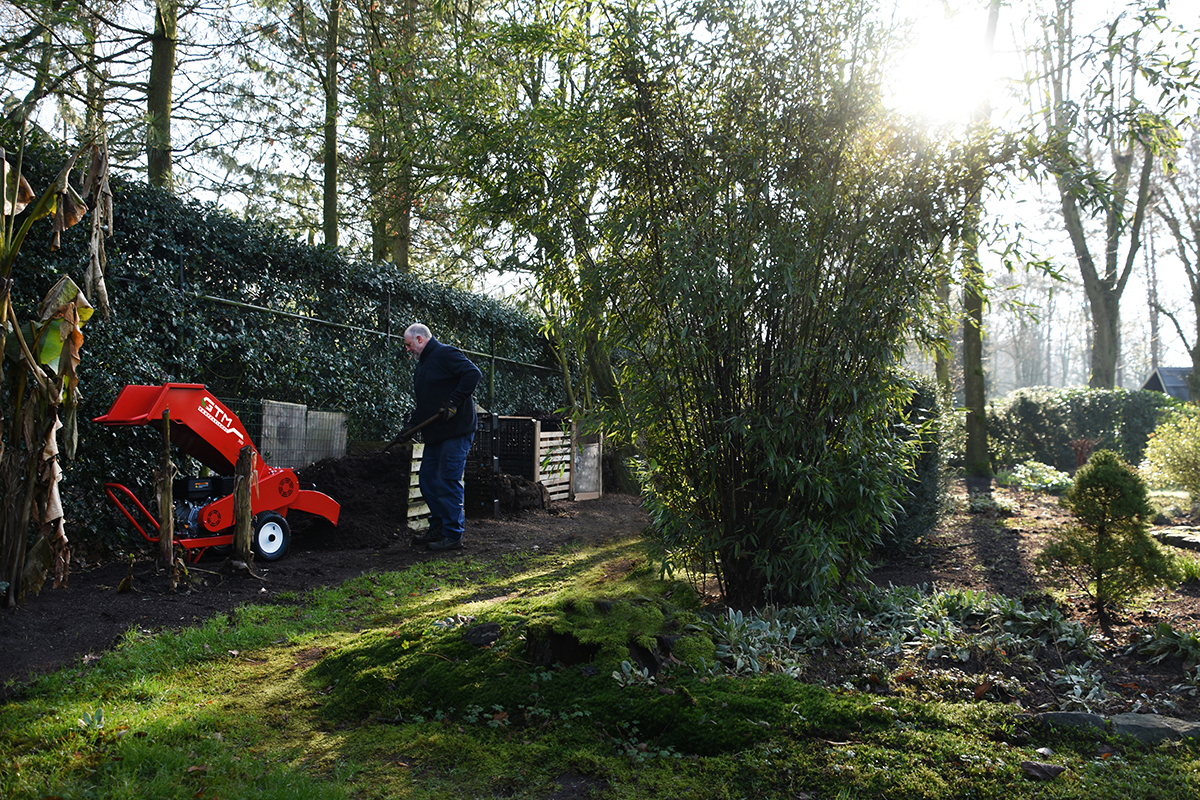
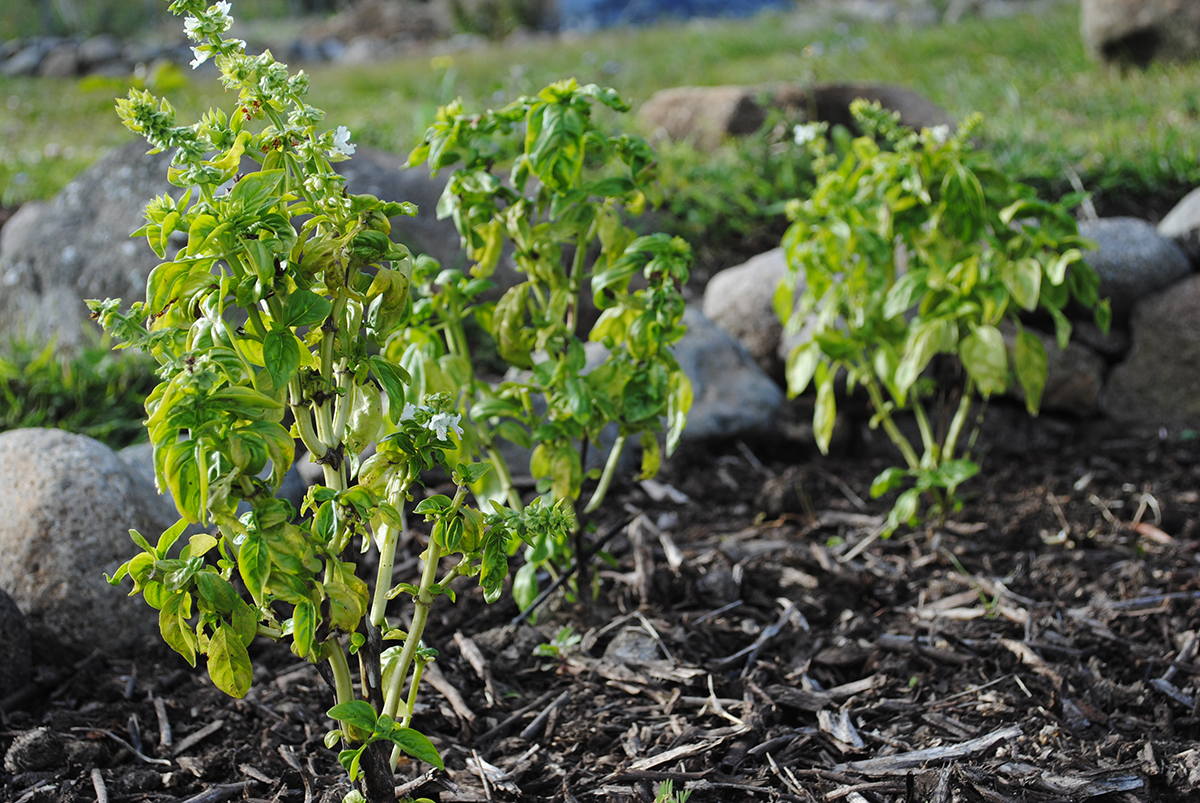
Take a close look at a forest floor and you will notice that it’s are always covered. A similar effect can be achieved by covering the soil of your (vegetable) garden with wood chips. This mulch layer provides protection against the effects of the sun and will help the soil retain moisture. Unwanted weeds will not grow due to the lack of sunlight, saving you lots of weeding time!
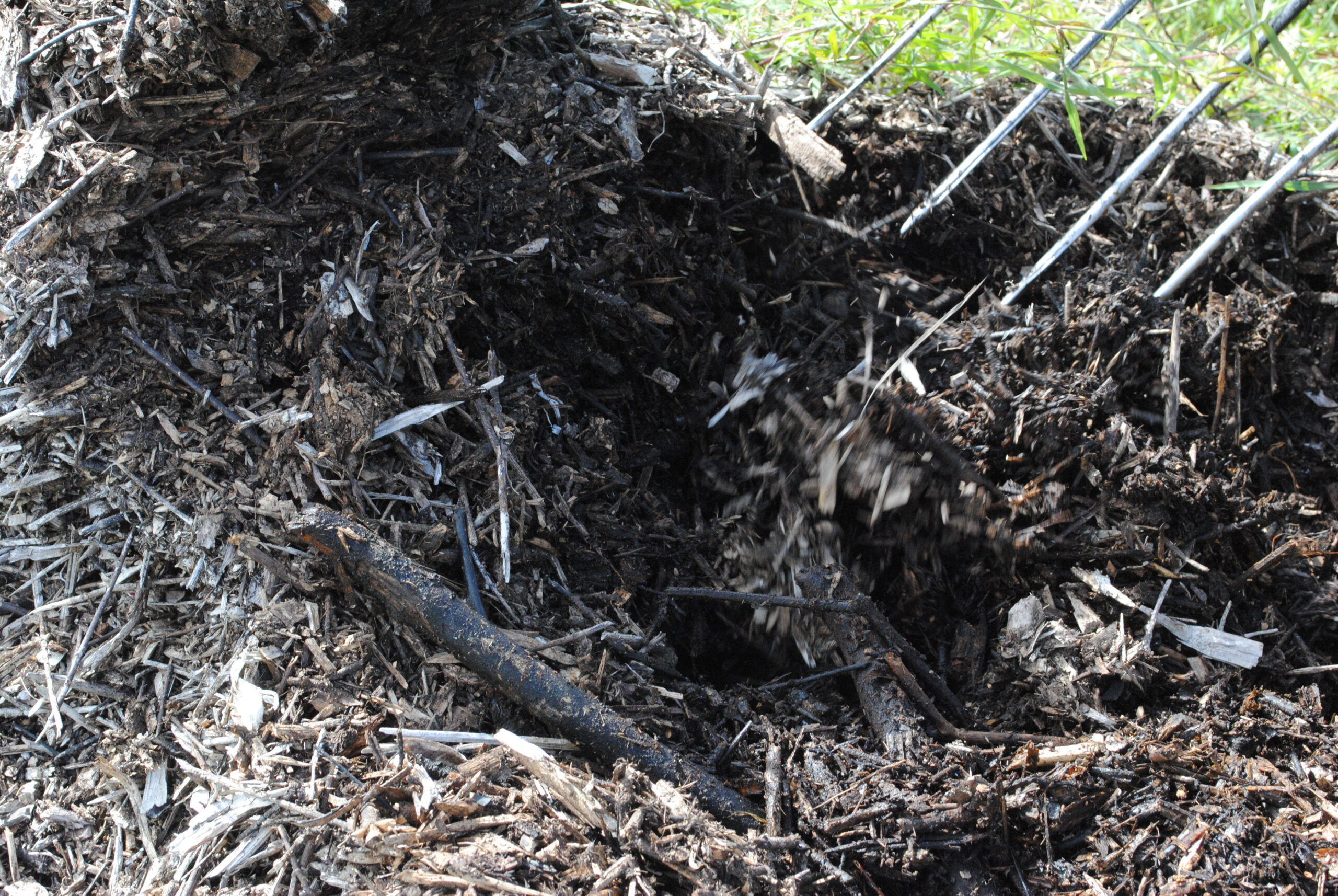
Wood chips are also very beneficial to soil life. The structure is very attractive for fungi and bacteria to nestle in the veins. Besides, fresh chips contain many nutrients for soil organisms. The slow-composting wood chips have a high humus content and provide life, moisture and oxygen into the soil. This way, you bring the benefits of a forest floor, including the lovely smell, to your own (veggie) garden!
How do you proceed?
- Spread a layer of 5-10 cm on the ground. Keep trunks from bushes and trees free of wood chips. When the bottom layer is completely composted, just top up the mulch bed with fresh chips.
- For the RCW method, apply a layer of 2-3 cm of fresh, chipped branches with a max diameter of 7 cm. Use a wide variety of kinds, but limit the use of pine (max 20%). Incorporate the chips into the top layer of the soil, without ploughing. Now leave the soil floor as it is, and let nature run its course.
Compost
Garden gold
Composting is not only a fun and educational experience, it also creates valuable resources for your garden. Making good compost starts with a balanced mix of materials. The so-called green materials, like food scraps and grass clippings, are rich in nitrogen (N) and give moisture and nutrition to the compost pile. Brown materials, like wood chips, are rich in carbon (C) and provide structure and ventilation. This synergy is an essential part of the composting process.
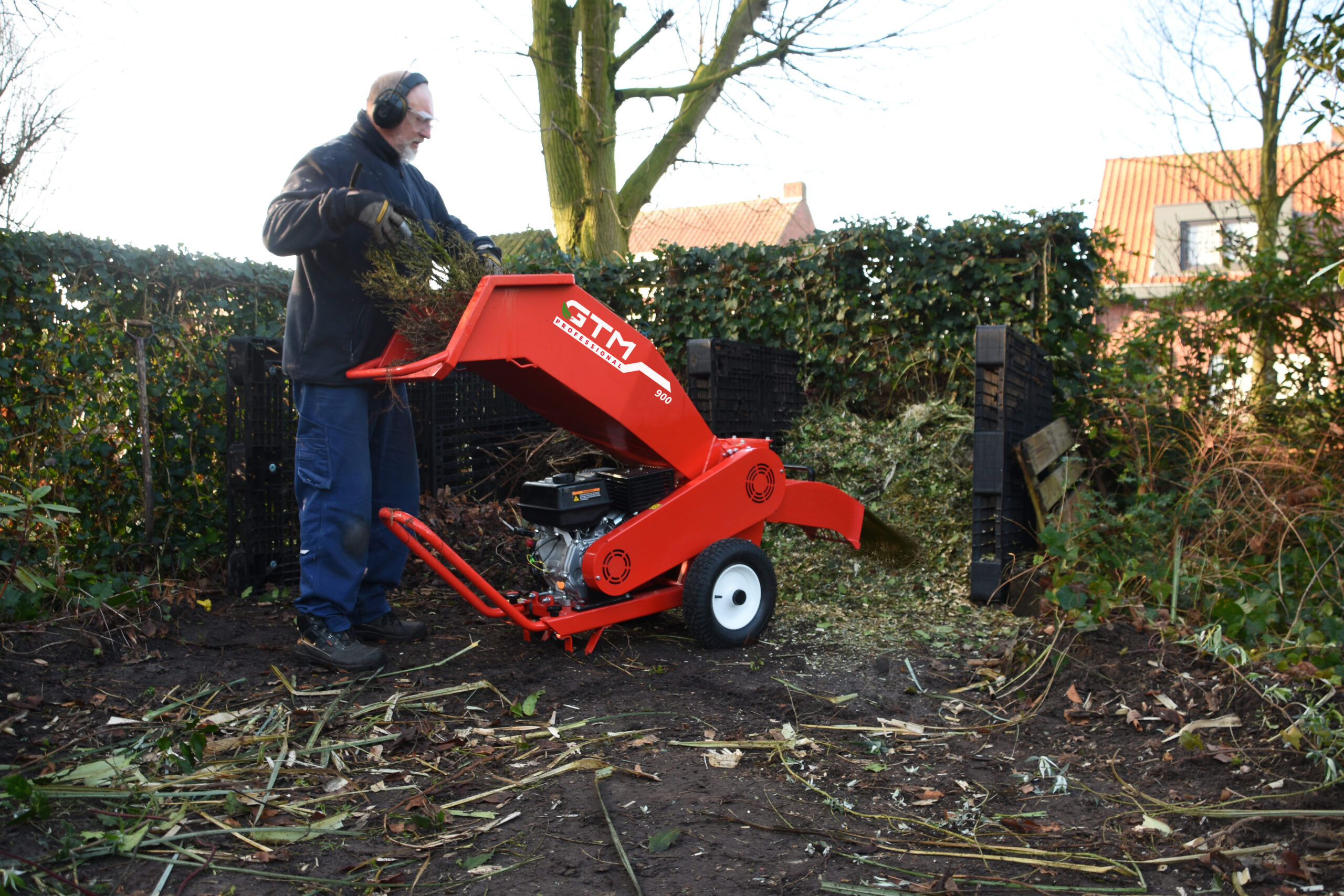
It is best to cut up garden waste before you put it on the compost pile. This is easily done with a wood chipper. A compo machine enables you to shred other organic matter in addition to branches. Finer materials speed up the composting process after all. Start with larger pieces of brown material at the bottom for a good air supply and continue filling up the compost pile with the right ratio of C/N (25:1). In practice, this means about 3 parts brown to 1 part green material.
The temperature will rise quickly once the composting starts, due to microorganism activity. When the temperature cools down, woodlice, worms and springtails will continue the decomposition. Don't forget to turn the compost pile once in between . The end product, known as humus, has a dark colour and smells like a forest floor. Humus possesses important features for a healthy soil full of life and nutrients that plants love!
All wood chips benefits at a glance
Attract organisms
Wood chips give life and energy to the soil. The structure of a wood chip is very attractive for microorganisms, that nestle in the veins. When decomposing the wood chips, essential nutrients for the plants are released.
Soil enrichment
Decomposing wood chips have an airy, spongy structure to keep humidity and ventilation in the soil. A stable and long-term humus is created without tillage, making RCW very suitable for depleted and eroded soils.
Weed control
With a layer of wood chips you benefit from less weeds without herbicides or hoeing. A sunshield of wood chips and the allelochemicals that occur in many tree species, will inhibit the growth of weeds.
Eco-friendly
Due to the re-use of organic waste you give back what you took from nature in a self-sustaining way. No chemical additives are needed to create a healthy soil, which is the basis for healthy plants with more productivity.
Less parasites
The acid in RCW keeps parasites, aphids and pathogens away. Also, when the number of nematodes decreases, less roots will be eaten. This will lead to stronger, healthier plants and a better quality of crops.
Carbon conservation
Plants and trees take carbon out of the air and bring it back to the earth. By storing carbon into the soil, CO₂ in the atmosphere can be reduced. Make sure you don't use too much wood chips, which can disrupt the healthy C/N ratio in the soil.